
Updated: Aug 20
How the Messages of Masculinity Prevent Men from Processing Grief
Navigating Grief and Loss by Challenging the Messages of Masculinity
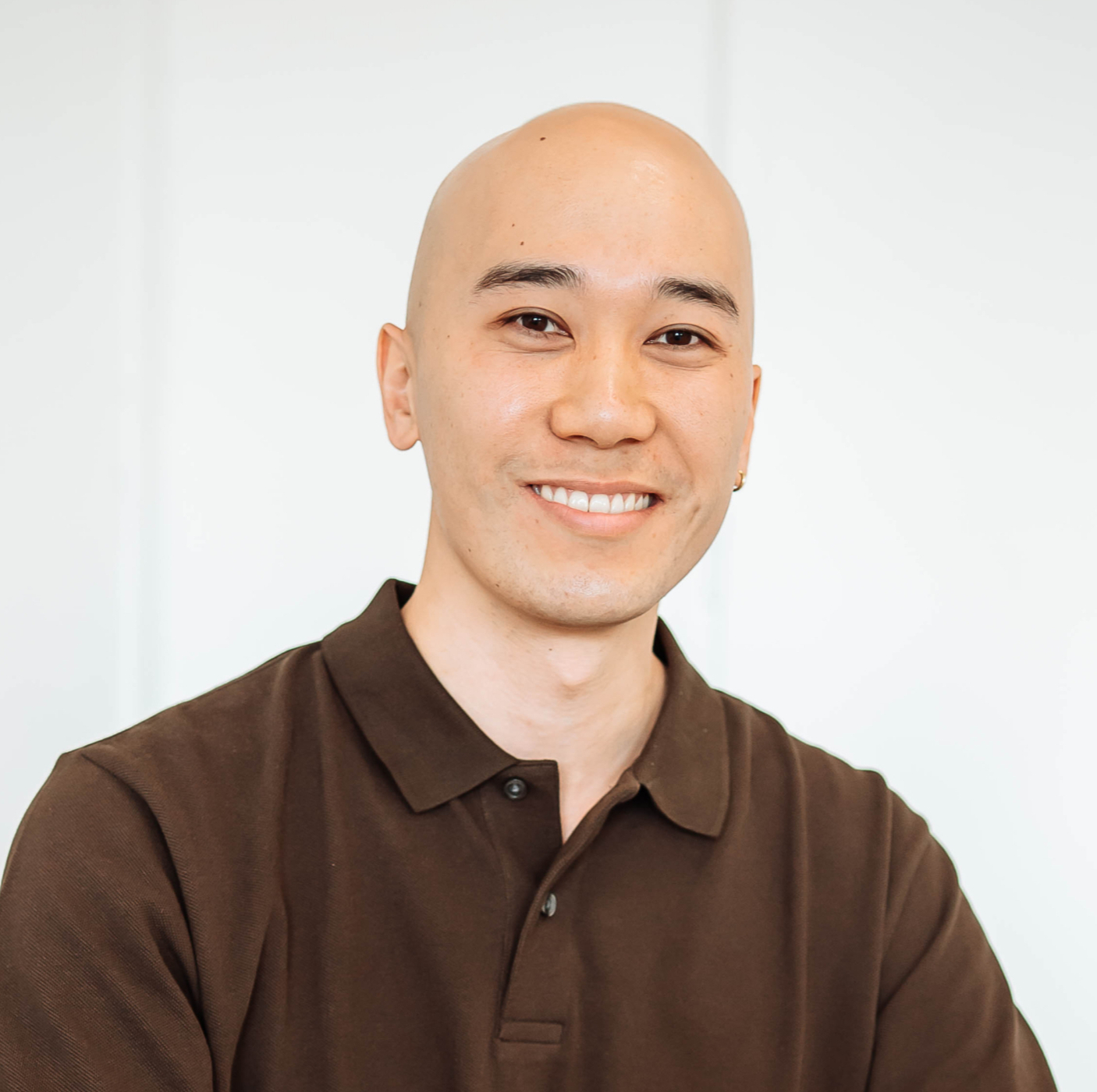
Written By: Glen Zheng
About the Author
Glen Zheng, Master's of Social Work (Candidate), Student Clinician September 2025 - April 2026

“Man up.”
“Work harder.”
“Stop crying.”
All common messages men grew up hearing – and internalizing – over time.
In this article, I dive into the reasons why “tough love” can make it harder to process loss, harming boys and men alike. Whether you’re here to process your own grief, or here to support a friend, brother, father, or partner, I explain how “tough love” may be blocking men from processing loss from their lives.

Why Tough Love?
So, why is it so common for boys to receive tough love?
The reality is that many of our parents and grandparents grew up in environments shaped by economic hardship, war, hunger, or scarcity. In those conditions, resilience and emotional control were survival tools. Masculinity became linked to strength, productivity, and emotional control. Tough love wasn’t meant to wound; it was meant to prepare.
Tough love can work – for the moment. In challenging situations, suppressing emotions can help tolerate immediate distress, or even provide the capacity to function during times of crisis.
But what happens when we rely solely on this strategy over time? Is it possible to always “roll with the punches”, and “get up and move on”?
Emotional Suppression Instead of Emotional Processing
With the mindset of “tough love,” men are subconsciously led to believe that they’re weak for dwelling on loss or regret.
“Quit sulking. Get over it!”
Or perhaps, that by thinking about grief, it will prevent them from being able to function, work, and provide. As such, it makes sense that men try to forget their pain, despite significant losses that touch their very core.
But loss comes in all shapes and sizes – from breakups, job losses, or perhaps the death of a parent. One break up may lead to immense heartbreak. Then, the grief of losing a loved one never really left. So, the weight we carry starts to stack until it becomes overwhelming to bear.
In other words, when grief is pushed down instead of processed, it doesn’t disappear; it accumulates. By using a strategy of “tough love” to move on from our pain, many come to the realization that some things are not easily forgotten.
So, what happens when grief has nowhere to go?
Why Is This Harmful?
When we experience overwhelming pain because of loss and grief, our mind may try to help by masking the hurt in various ways. (Perhaps you have a family member or friend who might be silently suffering in these ways.)
Here are patterns that arise when men are battling with unprocessed grief internally:
Male Depression – The mind protects itself from pain through distractions or by numbing all emotions. This might look like the following: “I’ve been distracting myself with video games for over 6 hours a day, and I don’t even have fun playing anymore…”
Overworking and Burnout – “If I focus on my promotion, I don’t have to deal with this.”
Male Loneliness, Withdrawal, and Isolation – Unprocessed grief can also affect relationships. “I need to overcome my challenges on my own. My family and friends can’t see me like this.”
Shame – “My problems aren’t as big as other people’s; I should have figured this out by now. I can’t bring this up with my wife because she’ll think I’m weak. I’m pathetic...”
Secondary Anger – The mind may redirect pain towards anger and push others away. (Anger can be a common response as men are taught that it’s okay to express anger, but not vulnerability.) “I’m always angry, but I don’t know the reason why… Hey, get away from me.”
When pain via unprocessed grief becomes unbearable to live with, it can make the strongest men cave inward (or deflect outwards) until they feel like there’s nowhere left to turn.
To reiterate, it makes sense why men deal with their challenges like this. It’s how we were taught to deal with things.
But remember – our past isn’t our destiny. This isn’t the only way forward.
Steps You Can Take Today
Remember to give yourself (or the men in your lives) kindness. You’re reacting to your situation in the way you were taught.
Feel how you feel. Know that it’s okay to be angry, hurt, or deeply sad. If your body is carrying the weight of grief, the best thing can sometimes be to acknowledge it and process the pain.
Showing vulnerability and crying aren’t signs you’re failing. They’re signs that you’ve lost something important to you. It’s totally okay – and normal – to be sad.
Take things one step at a time. There’s no rush to solve all of life’s problems in one day. Do what you can today, for the things actually within your control.
Reach out. Tell a friend. Share your struggles with a loved one. You don’t have to be silently suffering anymore.
How Therapy Can Help
Men who want to process grief can choose to seek professional help.
Emotion Focused Therapy (EFT) is an evidence-based approach effective in addressing the grief preventing you from living the life you desire. An EFT therapist can help guide you acknowledge the hurt, process the grief, and integrate your pain into a renewed resilience.
In addition, I recommend matching with a trauma-informed therapist. They can help you by walking through your losses gracefully, offering a warm, considerate, and welcoming environment to navigate these challenges for the first time.
Final Thoughts
It isn’t always easy being a man. There are tons of expectations on how a man should be, live, and act. But remember – if the way you’ve been taught to deal with overwhelming loss isn’t working for you anymore, it’s always okay to try a different way.
You are not alone.
Grief Counseling in Toronto
If you are looking for help with grief or men’s issues in Toronto, Therapy Uninterrupted offers online counselling across Ontario. If you need it, you can also look at our Affordable Therapy Program, offering low-cost support to people who need it. Book your free consultation today!
More About Glen
Hi, I’m Glen Zheng – an MSW Intern at Therapy Uninterrupted September 2025 - April 2026. I hold a Bachelor of Arts in Philosophy from Simon Fraser University and am pursuing my Master of Social Work at the University of Toronto.
Helping people navigate complex challenges related to cultural identity, immigration, ADHD, autism, attachment, life transitions, and trauma, I apply an approach that is compassionate, client-centered, and at your pace. My goal as a therapist is to help you live life your way.
Outside of the clinic, I enjoy exploring the backcountry, listening to music, and playing board games.


